© Dalil Syria
Leather & saddlery
جلود وسروج
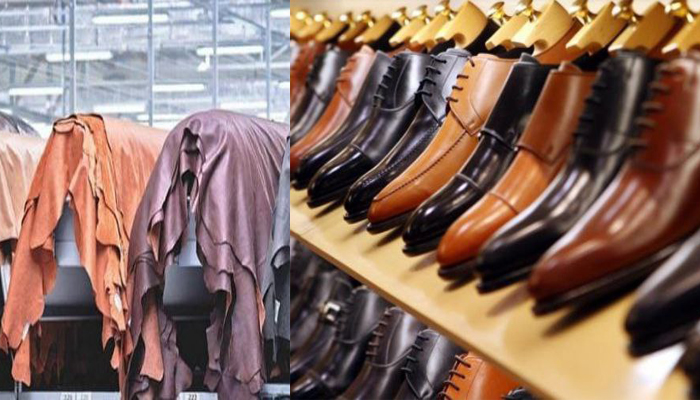
Syria's rich history has fostered a vibrant tradition of leatherworking and saddlery, transforming raw hides into functional and beautiful objects. This ancient craft showcases the skill and artistry passed down through generations of artisans.
Story & history
From the bustling souqs of Damascus to the workshops of Aleppo, the craft of leatherworking has been an integral part of Syrian life for centuries. Historically, leather goods were essential for daily life, providing durable footwear, sturdy containers, and vital components for transportation and agriculture.
Syrian artisans developed sophisticated techniques for tanning, dyeing, and embellishing leather, creating pieces that were not only practical but also exquisitely decorated. The tradition of saddlery, in particular, highlighted the importance of horses in Syrian culture and trade, with master craftsmen producing intricate saddles and harnesses that were both functional and works of art.
How it's made
The process begins with the careful selection and preparation of animal hides, typically from cattle, sheep, or goats. These hides undergo a meticulous tanning process, often using traditional vegetable-based tannins, to make them durable and pliable. Following tanning, the leather is cut, dyed in various vibrant colors, and then shaped. Artisans employ a range of tools for stitching, embossing, carving, and decorating, often incorporating intricate geometric patterns or calligraphic designs, particularly for luxury items like ornate saddles or finely crafted bags.
Materials & techniques
- Animal hides (cattle, sheep, goat)
- Natural dyes and pigments
- Tanning agents (vegetable tannins)
- Strong threads (linen, nylon)
- Metal buckles and fittings
- Decorative elements (beads, embroidery)
Where to find it
Cultural significance
The craft of leather and saddlery is more than just a trade; it is a vital part of Syria's cultural heritage, reflecting centuries of practical necessity, artistic expression, and economic activity. It symbolizes resilience and the enduring spirit of Syrian craftsmanship, preserving traditional skills while adapting to contemporary needs. Each piece tells a story of meticulous handwork and cultural identity.
Artisans
No artisans published for this craft yet.
Workshops
No workshops published for this craft yet.
Visitor experiences
- Visit a traditional leather workshop in the old souq of Damascus to see artisans at work.
- Explore galleries specializing in handcrafted leather goods, from intricate bags to decorative panels.
- Learn about the history and cultural importance of saddlery in Syrian equestrian traditions.
Handmade products
No products listed for this craft yet.