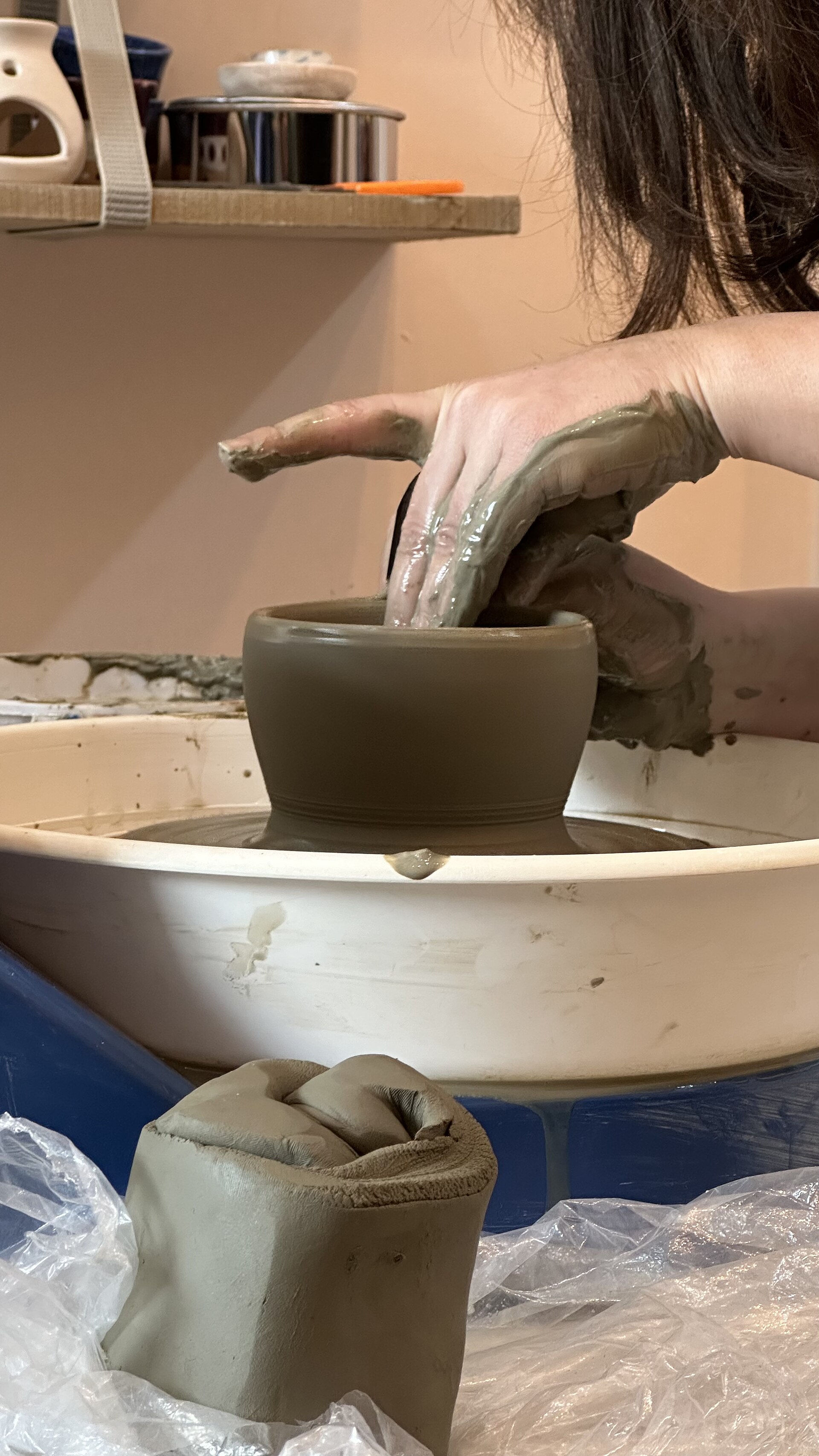
© Wikimedia Commons, CC BY-SA 4.0
Ceramics & pottery
خزف وفخار
Syrian ceramics and pottery represent an ancient craft, deeply interwoven with the country's artistic and cultural heritage. From functional vessels to the intricate beauty of Damascene tiles, this art form tells a story of tradition and enduring skill.
Story & history
The history of pottery in Syria stretches back millennia, with archaeological finds revealing its presence from the Neolithic period. Early ceramics served essential daily functions, evolving in form and decoration through successive civilizations – from the Roman and Byzantine eras to the rich Islamic periods that introduced new glazing techniques and ornamental styles. Each epoch left its distinct mark, creating a diverse legacy of ceramic artistry.
The advent of Islamic art brought a golden age for ceramics, particularly with the development of sophisticated glazes and vibrant colors. Damascene tiles, known as 'qishani', flourished, adorning mosques, palaces, and homes with intricate geometric patterns, calligraphic scripts, and floral motifs. These tiles, often featuring a characteristic deep blue, green, and turquoise palette, became synonymous with Syrian architectural grandeur and artistic refinement, influencing design across the region.
How it's made
The creation of ceramics and especially qishani tiles involves a meticulous process. Clay, often sourced locally, is prepared, shaped, and then fired at high temperatures to achieve durability. For decorative pieces and tiles, glazes are applied in multiple layers. Pigments derived from minerals are carefully painted to form intricate designs, followed by further firing at specific temperatures to fuse the glazes and enhance the vibrant colors, resulting in the distinctive sheen and depth of Syrian ceramics.
Materials & techniques
- Local clay
- Mineral pigments
- Glazes (silica, lead, tin)
- Potter's wheel
- Kiln for firing
- Brushes for detail
Where to find it
Cultural significance
Syrian ceramics and pottery hold immense cultural significance as tangible links to the past and expressions of national identity. Beyond their aesthetic appeal, they represent centuries of craftsmanship, artistic innovation, and the transmission of skills through generations. The distinctive qishani tiles, in particular, are emblematic of Syria's architectural grandeur and its enduring contribution to Islamic art, symbolizing beauty, resilience, and a deep connection to heritage.
Artisans
No artisans published for this craft yet.
Workshops
No workshops published for this craft yet.
Visitor experiences
- Visit traditional artisan workshops in Old Damascus to observe master potters and tile makers at work.
- Explore historic buildings adorned with exquisite qishani tiles, such as the Azem Palace in Damascus.
- Attend a local market to find unique hand-painted pottery and ceramic pieces, perfect as authentic souvenirs.
Handmade products
No products listed for this craft yet.